When it comes to industrial equipment, Gas Transfer Pumps really are a big deal. They're crucial for moving various gases safely and efficiently—no joke. With so many models out there nowadays, it can be a bit overwhelming trying to figure out which ones stand out.
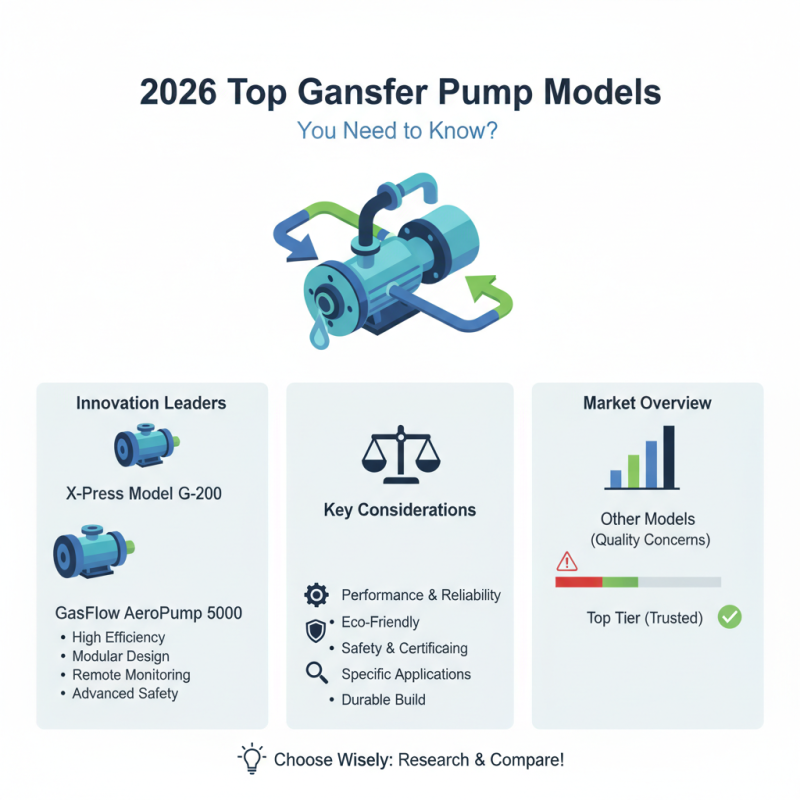
Looking at 2026, a few models have been catching everyone’s eye because of their solid performance and reliability. Companies like X-Press and GasFlow have rolled out some pretty innovative designs, focusing on making things more efficient while cutting down on potential risks. That said, not every model lives up to high standards, which definitely raises some questions about quality and safety.
Picking the right Gas Transfer Pump isn’t exactly a walk in the park. Each model has its own little quirks and features, so you really gotta weigh your options carefully. Getting a good handle on the specs and what each one’s meant for is super important. In this article, I’ll walk you through some of the top models, pointing out what they do well—and where they fall short—so you can be more confident about making the best choice for your needs.
Overview of Gas Transfer Pumps and Their Applications
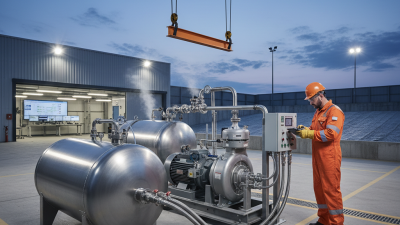
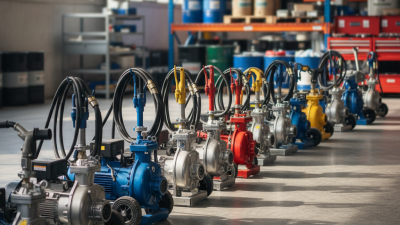
Gas transfer pumps play a critical role in various industries. They facilitate the movement of gasoline and other fluids with efficiency. These pumps are widely used in construction, agriculture, and transportation. According to a recent market report, the global gas transfer pump market is expected to grow by 6% annually over the next five years. This growth highlights their increasing importance.
These pumps are designed for specific applications. In agriculture, for instance, they help transfer fuel to machinery. In construction, they ensure that equipment runs smoothly. Many companies rely on Gas Can Transfer Pumps for day-to-day operations. However, not all models are equipped to handle different fluid types. Reliability varies among different units, which can lead to operational challenges.
User feedback often highlights issues with durability. Some models fail under high pressure or extreme temperatures. These problems can cause delays and increase costs. Organizations must carefully evaluate their options before making a purchase. Data suggests that well-maintained pumps can reduce overall downtime. Therefore, investing in quality equipment can yield better results in the long run.
Key Features to Consider When Choosing a Gas Transfer Pump
When selecting a gas transfer pump, consider its flow rate. This rate determines how quickly you can move fluids. A higher flow rate reduces transfer time. However, efficiency must not be compromised. Too high a flow might cause spills or mess.
Another crucial factor is the pump's durability. Materials used in construction really matter. Look for pumps made from robust materials. They should withstand harsh environments and extended use. A Gas Powered Transfer Pump should be easy to maintain. Regular maintenance can prolong its lifespan.
Think about the pump's portability, too. Can it be easily moved? Weighing only a few pounds, some models enhance mobility. A lightweight design helps during transportation. However, ensure stability remains. Many forget to check the design for vibrations. Overall, one must balance portability and performance.
Top 2026 Gas Transfer Pump Models: An In-Depth Review
When it comes to transferring gas efficiently, choosing the
right pump is crucial. The 2026 models offer a range of advancements
in design and functionality. Many are equipped with
durable materials, ensuring longevity and reliability.
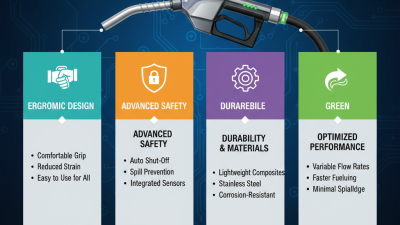
Expect features like automatic shut-off valves, which add safety during operation.
Tips: Always consider the size of your tank and the flow rate you need. A mismatched pump can lead to frustrations.
Make sure to also check for ease of maintenance. Some pumps require more upkeep than others,
which can be a hassle down the line.
Don't overlook the importance of portability. Some models
are designed for easy transport, making them ideal for various job sites.
However, heavier pumps can be more stable but less mobile.
Think about your specific usage needs before making a selection.
This reflection can save you time and money.
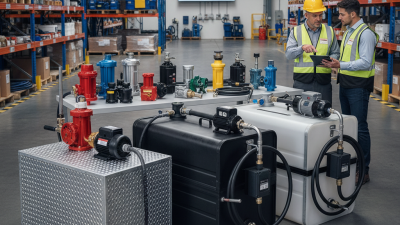
Comparative Analysis of Leading Gas Transfer Pump Brands
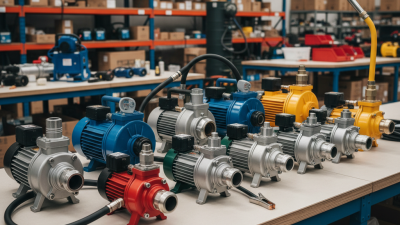
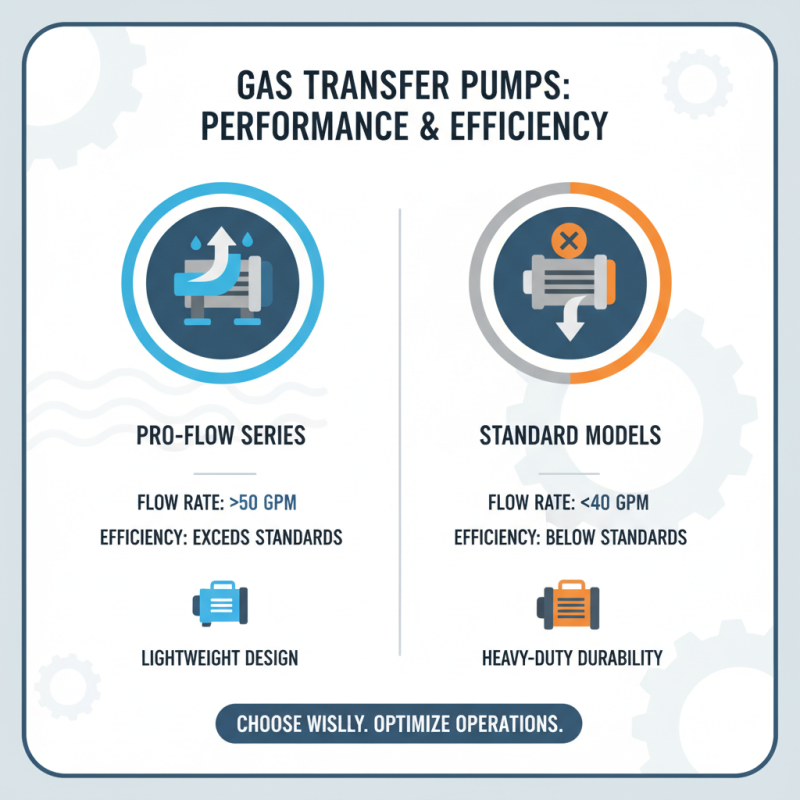
When exploring gas transfer pumps, comparing leading brands shows a clear differentiation in performance and efficiency. Industry reports indicate that certain models deliver flow rates exceeding 50 gallons per minute. Others may fall short of efficiency benchmarks set by regulatory standards. Specifications vary; some pumps are lightweight, while others offer durability for heavy-duty applications.
**Tip:** Check for certifications that gauge the pump's performance standards. It's crucial to ensure the model you choose meets your specific needs.
Another notable aspect is the energy consumption of various models. A study by the Energy Efficiency Association reveals that inefficient pumps can increase operational costs by up to 30%. This stark contrast reminds users to assess energy ratings carefully before purchasing.
**Tip:** Look for pumps with eco-friendly features that optimize energy usage. Such solutions might save you money in the long run.
Reviewing maintenance requirements is equally essential. Some pumps boast low maintenance needs, while others require frequent servicing. An overlooked detail is the availability of replacement parts, which can affect long-term usability.
**Tip:** Research the service history of the pump models you're considering for easier future maintenance.
Maintenance Tips for Optimal Performance of Gas Transfer Pumps
Maintaining gas transfer pumps is crucial for their longevity and efficiency. Regular inspections are essential. Check the hoses and fittings for wear or leakage. A small crack can lead to performance issues. Keeping the pump clean is equally important. Dust and debris can cause overheating. Remember, a clean pump operates better.
Frequent lubrication is necessary for moving parts. Ensure you’re using the right type of lubricant. An improper choice can lead to malfunction. Also, be mindful of the power source. If using a Battery Gas Transfer Pump, ensure the batteries are charged and in good condition. A weak battery can severely impact performance.
Don’t overlook the importance of seasonal maintenance. Before and after heavy usage, double-check all components. This is where many overlook potential problems. Record keeping can help identify recurring issues. A simple checklist can serve as a reminder. A little effort today can prevent larger repairs tomorrow.
2026 Top Gas Transfer Pump Models Performance Comparison
Future Trends in Gas Transfer Pump Technology
The future of gas transfer pump technology is evolving rapidly. Emerging trends show a shift towards sustainability and efficiency.
Electric Gas Transfer Pumps are gaining popularity due to their lower environmental impact. Industries are prioritizing eco-friendly solutions. This will likely lead to more innovations in pump efficiency and design.
Tips: Always choose pumps that meet your specific needs. Research energy-efficient models to reduce costs. Consider the long-term benefits of investing in advanced technology.
Another trend to watch is automation. Automated systems can enhance operational efficiency. Smart technology in gas transfer pumps will allow for remote monitoring and control. However, not all users may feel comfortable with this technology yet. There is a learning curve to overcome.
Tips: Keep up with training on new technologies. Understanding the equipment can improve safety and effectiveness. Don’t hesitate to ask for guidance.
User Feedback and Ratings for 2026 Gas Transfer Pumps
In 2026, choosing the right gas transfer pump can be daunting. User feedback reveals a mix of satisfaction and frustration. Many users praise pump efficiency. They love quick transfer times and ease of use. However, there are complaints, too. Some find certain models less reliable than expected—failing after just a few uses.
Ratings vary widely. One model may score high because of its durability. Another could receive low marks for noise levels or vibration issues. Users often express their desires for better features. They want lightweight designs and user-friendly controls. Some feel disappointed with the materials used, indicating a need for better quality.
Many consumers actively share experiences online. This feedback plays a crucial role for potential buyers. Reading real-life stories helps shape their decisions. Yet, some reviews may lack detail. A few users rate pumps harshly without considering their specific use cases. A nuanced understanding of individual needs is vital for selecting the best pump.
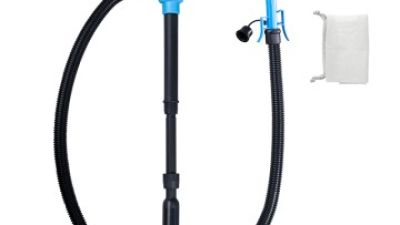
Maximize Efficiency: The Versatile FN201A-USB Battery Powered Telescopic Fuel Transfer Pump (Blue)
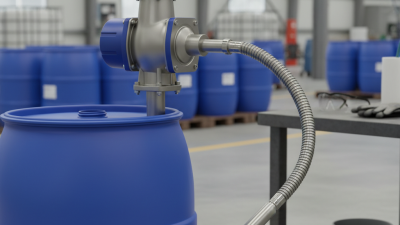
Experience the future of fuel transfer with the innovative battery-powered telescopic fuel transfer pump. Designed with a retractable intake pipe, this pump ensures maximum efficiency and convenience wherever your refueling needs take you. Whether you’re at home, on the job site, or enjoying outdoor activities, this versatile pump offers a reliable solution to managing various fuel types effortlessly.
This fuel transfer pump is compatible with a wide range of equipment, including chain saws, cars, trucks, lawn mowers, and even industrial machinery. No matter if you need to transfer fuel oil, light gasoline, or more specialized liquids like mild detergents and antifreeze, its adaptable design makes switching between fluids seamless. The portability of this pump allows you to fuel your equipment quickly and efficiently, saving you precious time and reducing the hassle often associated with traditional fuel transfer methods. Get ready to revolutionize your fueling experience with this essential tool that combines practicality and performance in one compact package.
FAQS
: A balanced diet supports overall health. It provides essential nutrients. It boosts energy levels and improves mood.
Set specific goals to track progress. Find a workout buddy for support. Enjoying activities makes it easier to stick with them.
Practice mindfulness or deep breathing. Make time for hobbies or activities you love. Sometimes, talking to friends helps a lot.
Establish a consistent sleep schedule. Create a calming bedtime routine. Reduce screen time before bed for better rest.
Staying hydrated enhances physical performance. It maintains body temperature and supports joint lubrication. Sometimes, we forget to drink enough water.
Check for food allergies before trying new dishes. Take small bites to gauge taste and texture. Not every new food will be enjoyable.
Conclusion
The article titled "2026 Top Gas Transfer Pump Models You Need to Know" provides a comprehensive overview of gas transfer pumps, highlighting their various applications in industries such as automotive, agriculture, and construction. It emphasizes the key features to consider when selecting a gas transfer pump, including flow rate, portability, and durability.
Furthermore, the piece delves into an in-depth review of the top gas transfer pump models expected to dominate the market in 2026, comparing their specifications and performance. Maintenance tips ensure optimal performance and longevity of these pumps, while the section on future trends discusses advancements in technology that could reshape the industry. Lastly, user feedback and ratings offer valuable insights into the effectiveness of different models, guiding potential buyers in their decision-making process.