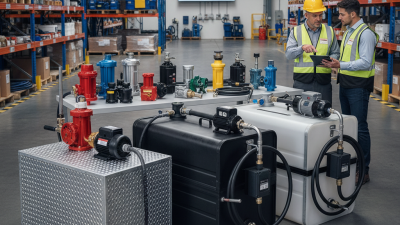
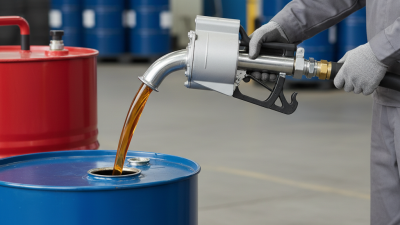
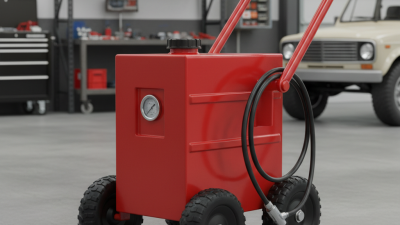
By 2026, picking the right transfer tank and pump is more important than ever for folks around the world. The market’s pretty diverse out there, with tons of options designed to fit different needs, so getting a handle on what you really need is key to making a smart choice. When you’re shopping for a Fuel Transfer Tank And Pump, it’s good to keep an eye on things like size, what it’s made of, and whether it meets the necessary standards. Some top names like Transfer Flow and DEFCO come highly recommended, but not every product on the market lives up to those high standards. Sometimes, it can be tricky to find a reliable tank, and that kinda risk isn’t worth it. I’ve been there—reading reviews and chatting with others who’ve tried certain pumps can save you a headache later. Trust me, doing a little homework before buying really pays off.
Overview of Transfer Tanks and Pumps for Global Buyers
Transfer tanks and pumps play a vital role in various industries worldwide. These systems facilitate the safe and efficient transfer of liquids. This equipment is essential for sectors such as agriculture, construction, and transportation. Understanding the key features and benefits of transfer tanks and pumps can help buyers make informed choices.
When selecting a Transfer Tank And Pump, consider the material and capacity. Robust materials ensure durability and safety. A well-sized tank prevents overflows and leaks, which can lead to costly damages. Buyers should also examine the pump's flow rate. A suitable flow rate ensures timely operations while maintaining optimal performance.
Tips: Always check for certifications and compliance with local regulations. This ensures reliability and safety in your application. Regular maintenance of your transfer tank and pump is crucial. It can enhance lifespan and efficiency. Remember, quality is paramount. Cheaper options may not provide the same performance and safety assurance.
Key Features to Consider When Selecting Transfer Tanks
When selecting transfer tanks, several key features should be carefully evaluated. Capacity is crucial; a tank must meet the needs of the user without being excessively large. Most models range from 50 to 500 gallons, catering to different applications. Understanding the specific requirements can prevent overspending on unnecessary capacity.
Durability is another vital feature. Tanks constructed from high-grade steel or polyethylene often provide better longevity. According to industry reports, tanks made from steel tend to withstand impacts better than those made from plastic. This durability provides peace of mind in various environments, from construction sites to farms.
Safety features also play an essential role. Look for tanks with built-in overfill prevention systems. Additionally, consider the design of the pump. A reliable Diesel Transfer Tank And Pump combo can ensure efficient fueling while minimizing spills. Visual indicators can assist in monitoring fuel levels, further enhancing safety. Balancing these elements is imperative for making an informed choice. Ignoring them could lead to inefficiencies or hazards.
Types of Transfer Pumps: A Comparative Analysis
Transfer pumps are essential tools for moving liquids efficiently. They come in various types, each designed for specific applications. Understanding the differences can help buyers choose the right product.
Positive displacement pumps are known for their efficiency in transferring thick liquids. They are often used for heavy-duty operations. On the other hand, centrifugal pumps excel in moving clean, low-viscosity liquids quickly.
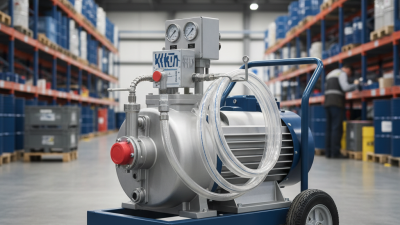
When considering a Gasoline Transfer Tank And Pump, it's vital to evaluate the pump's flow rate and compatibility with your tank. Higher flow rates can speed up tasks, but ensure that your setup can handle the increase. Always check the material compatibility to avoid chemical reactions. Remember, each pump type has its strengths and weaknesses. Choosing the right one may involve trial and error.
Tip: Always consult a specialist for your specific needs. Researching manufacturer specifications can save time and money in the long run. Regular maintenance is necessary to ensure longevity. Avoid overlooking the importance of regular inspections to prevent issues during operation. Keep your workspace organized to enhance safety and efficiency while using transfer pumps.
Regulatory Standards and Compliance for Transfer Equipment
When considering transfer tanks and pumps, understanding regulatory standards is essential. Compliance with local and international regulations ensures safety and environmental protection. Different regions have varying standards. For instance, the American Petroleum Institute (API) has specific guidelines for fuel transfer systems. Adhering to these can impact both functionality and legal compliance.
Tips: Regularly review updates on industry regulations. Stay informed to avoid potential fines.
Attention to detail in design is critical. Equipment must be constructed with safe, durable materials that withstand the demands of storage and transfer. For example, the Environmental Protection Agency (EPA) emphasizes leak prevention. Proper seals and monitoring systems can prevent costly environmental damage.
Tips: Consider investing in leak detection technology. Proactive measures can save money and protect the environment.
Many buyers overlook training for personnel. Even the best equipment fails if not used properly. Training should cover all aspects of operation, including emergency procedures. Investing in human capital enhances safety and efficiency in any operation.
Best Practices for Maintaining Transfer Tanks and Pumps
Maintaining transfer tanks and pumps requires diligence and attention to detail. Regular maintenance can prevent costly repairs and ensure efficient operation. According to industry reports, nearly 30% of equipment failures are due to inadequate maintenance practices. Establishing a routine can mitigate this risk.
Inspecting for leaks is crucial. Even minor leaks can lead to significant losses over time. Make sure valves and seals are functioning properly. A small drip might seem trivial, but it can escalate into a larger problem.
Tips: Schedule regular inspections. Use a checklist to ensure all components are evaluated.
Cleaning both the tank and pump regularly is essential. Residues can cause blockages and reduce efficiency. It is recommended to flush the system after every use, especially when storing different fluids. This practice helps maintain optimal performance.
Tips: Use appropriate cleaning solutions. Avoid harsh chemicals that might damage equipment.
Remember, not all pumps handle every type of fluid equally. Using the wrong pump can cause premature wear or even failures. Familiarize yourself with pump specifications and fluid compatibilities for better longevity.
Top Transfer Tank Brands and Their Unique Offerings
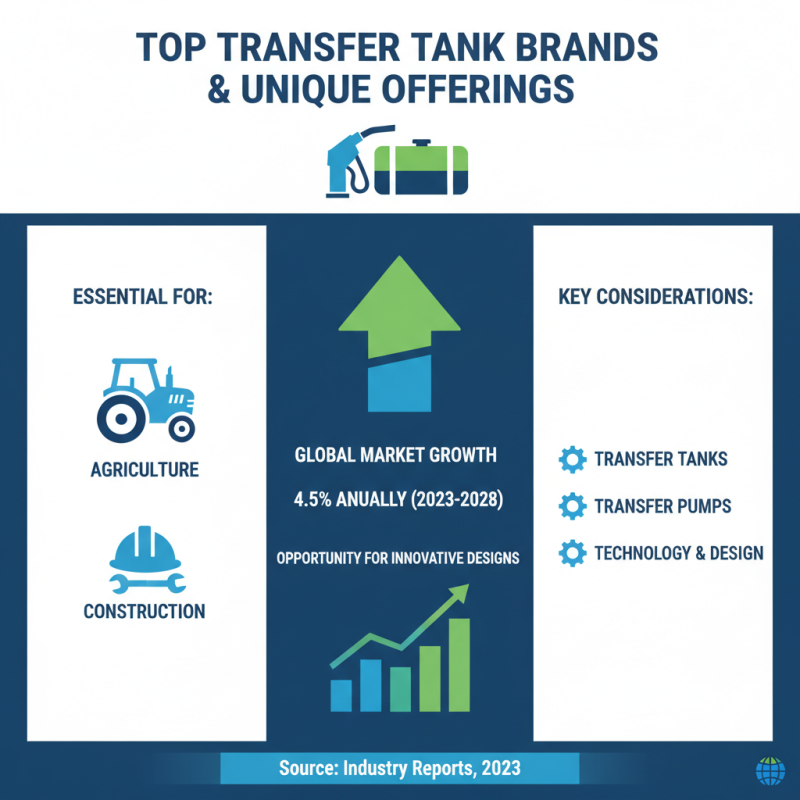
When considering transfer tanks and pumps, several brands stand out for their unique offerings. These products are essential for various sectors, including agriculture and construction. Reports indicate that the global market for transfer pumps is projected to grow significantly, with an estimated increase of 4.5% annually from 2023 to 2028. This growth presents an opportunity for buyers to explore innovative designs and technologies.
One notable feature among leading brands is versatility. Many tanks come equipped with integrated pumps for easy operation. The materials used for these tanks typically enhance durability, helping them withstand harsh conditions. However, some users experience challenges with compatibility issues when pairing different brands. Understanding specifications can help mitigate this.
Tips: Always assess the specifications before purchasing a Transfer Pump And Tank. Compatibility ensures optimal performance. Additionally, consider checking user reviews, as they often reveal practical insights that data cannot capture. Explore various options and understand their unique benefits. It's crucial to reflect on past choices to make informed decisions. Be open to learning from experiences to improve your future investments.
Future Trends in Transfer Tank and Pump Technology
The landscape of transfer tank and pump technology is evolving rapidly. As global demand increases, manufacturers focus on innovative solutions. According to a recent industry report, the market for transfer tanks is projected to grow at a CAGR of 6.5% by 2026. This growth is driven by advancements in efficiency and safety features.
One emerging trend is the integration of smart technology into pump systems. Sensors and IoT connectivity allow for real-time monitoring and alerts. These features enhance operational efficiency and reduce downtime. However, the adoption of these technologies presents challenges. Users may struggle with installation and integration. Additionally, there is a need for training to fully utilize these systems, which can hinder immediate benefits.
Another noteworthy trend is the focus on sustainability. More manufacturers are exploring eco-friendly materials for tank construction. This shift addresses environmental concerns surrounding fuel transfer. A report by the Environmental Protection Agency highlights that nearly 15% of industrial pumps are not eco-efficient. As regulations tighten, companies must prioritize sustainable practices. Continuous improvement is necessary, and the industry must reflect on its historical reliance on outdated methods.
2026 Best Transfer Tank And Pump Options for Global Buyers
Maximizing Efficiency: Insights from Industry Reports on Battery Powered Telescopic Fuel Transfer Pumps (FN201A-USB)
The rising demand for efficient fuel transfer solutions underscores the significance of battery-powered telescopic fuel transfer pumps like the FN201A-USB. With a focus on maximizing efficiency, industry reports highlight how such pumps improve operational effectiveness in various settings, from farm machinery to industrial equipment. These innovative tools facilitate the transfer of fuels and liquids without the cumbersome lifting or mess often associated with traditional methods.
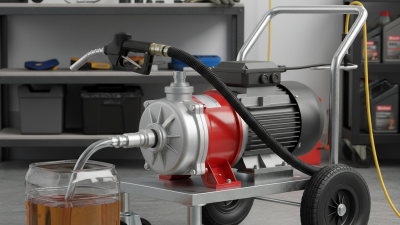
Designed with user convenience in mind, this portable gas transfer pump is equipped with an auto-stop nozzle, ensuring a seamless and safe transfer process. The pump features an extended 51-inch flexible discharge hose paired with a telescopic intake tube that adjusts between 11-13/16” and 16-15/16”. This adaptability allows users to precisely reach their target containers with ease. Furthermore, the ability to operate using either four AA batteries or a USB power bank provides unmatched versatility, catering to various operational needs and environments. With the capacity to handle up to 200 gallons, this system proves invaluable for both personal and professional tasks.
FAQS
: Capacity is crucial. Choose a size that meets your needs without being unnecessarily large.
Durable tanks made from high-grade materials last longer. Steel tanks resist impacts better than plastic ones.
Look for tanks with overfill prevention systems and reliable pump designs to minimize spills and hazards.
Regular maintenance is key. Establish a routine to check for leaks and clean components to ensure efficient operation.
Minor leaks can lead to significant losses over time. Regular checks can prevent small issues from becoming major problems.
Use suitable cleaning solutions and avoid harsh chemicals. Rinse the system after each use to maintain performance.
No, using the wrong pump can cause wear or failures. Learn about pump specifications to ensure compatibility.
Always assess specifications and check user reviews before purchasing. It helps ensure optimal performance and reduces challenges.
Conclusion
This article provides a comprehensive overview of Transfer Tank and Pump options for global buyers, emphasizing key features to consider when making a selection. It highlights various types of transfer pumps, offering a comparative analysis to help buyers understand their differences and applications. Additionally, the article discusses the importance of adhering to regulatory standards and compliance, ensuring safe and efficient operations.
Best practices for maintaining Transfer Tanks and Pumps are also outlined, which are crucial for prolonging their lifespan and functionality. Furthermore, the article examines top brands in the industry and their unique offerings, while also identifying future trends in technology that may shape the market. Overall, this guide serves as a valuable resource for buyers looking to make informed decisions in the transfer equipment landscape.